A family homestead in North Dallas
Chickens raised by hand, for people who will love them.
We keep a small flock of Cochin bantams in a few carefully chosen colors, plus Lavender Orpingtons, Black Copper Marans, Lavender Wyandottes, Blue Gold Laced Wyandottes and more.
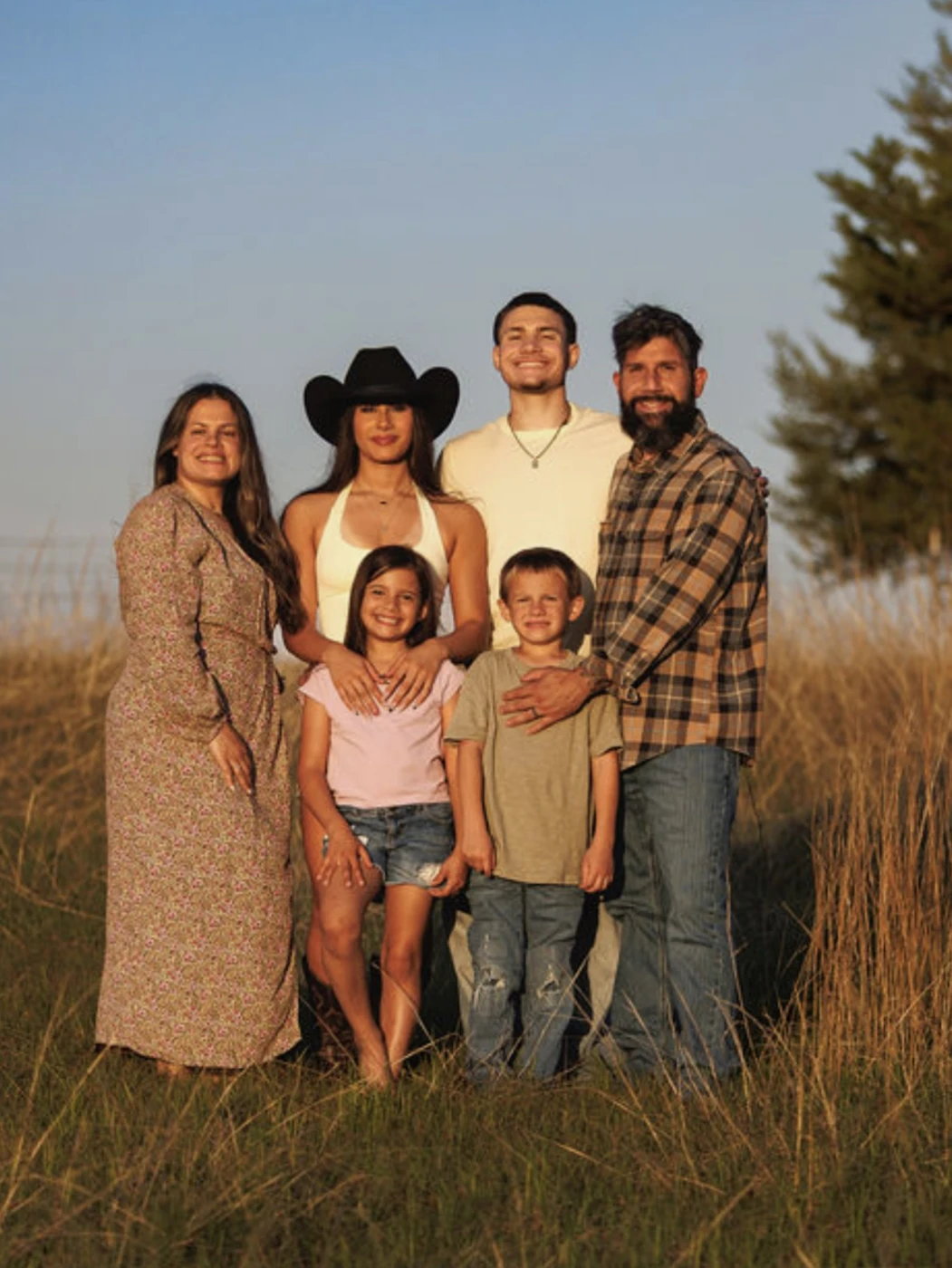
A little farm. A whole lot of heart.
Ten Point Five Farms is our family homestead in Gunter, TX. It is built around 10.5 acres, which gives the chickens a place to roam and live life. The birds are part of our daily chores, and every one is handled from the day it hatches. We started with Cochin bantams because they are gentle enough for small hands and pretty enough to stop you in the yard.
We are a homestead, not a big operation. When you write to us, one of us writes back.
Walk the farm
Take a look around the homestead. Tap a spot to see what happens there.
From egg to Cochin bantam chick
Tap each stage to follow a hatch from the incubator to the brooder.
Three ways to bring one home
Hatching eggs
Fertile eggs from a single pen, ready for your incubator or a broody hen. Shipped within Texas or picked up here. Barnyard mix eggs from our Orpingtons, Marans, Wyandottes and other homestead breeds too.
From $25 per dozen
Chicks and young birds
Would you rather skip the incubator? We hatch what we do not sell as eggs. Pickup only, so nobody rides in a box.
Chicks from $10
Fresh eggs for the table
Mixed dozens gathered every day from all our breeds, so expect a basket of colors and sizes. They are chilled the same afternoon, ungraded, and for local pickup.
[PRICE] per dozen
The rest of the flock
Cochin bantams are our main breeding program, but they are not the only birds on the homestead. These breeds share the yard, and their eggs go into our Barnyard mix.
Lavender Orpington
Big, fluffy, calm birds in a soft silver-lavender.
Black Copper Marans
Black birds with copper necks that lay dark chocolate-brown eggs.
Lavender Wyandotte
A rare lavender color on a calm, sturdy bird.
Blue Gold Laced Wyandotte
Gold feathers edged in blue, friendly and easy to handle.
Why a Cochin bantam?
Picture a chicken shaped like a ball of feathers, small enough to hold in two hands and calm enough to sit there. That is a Cochin bantam, and it is why families pick them first.
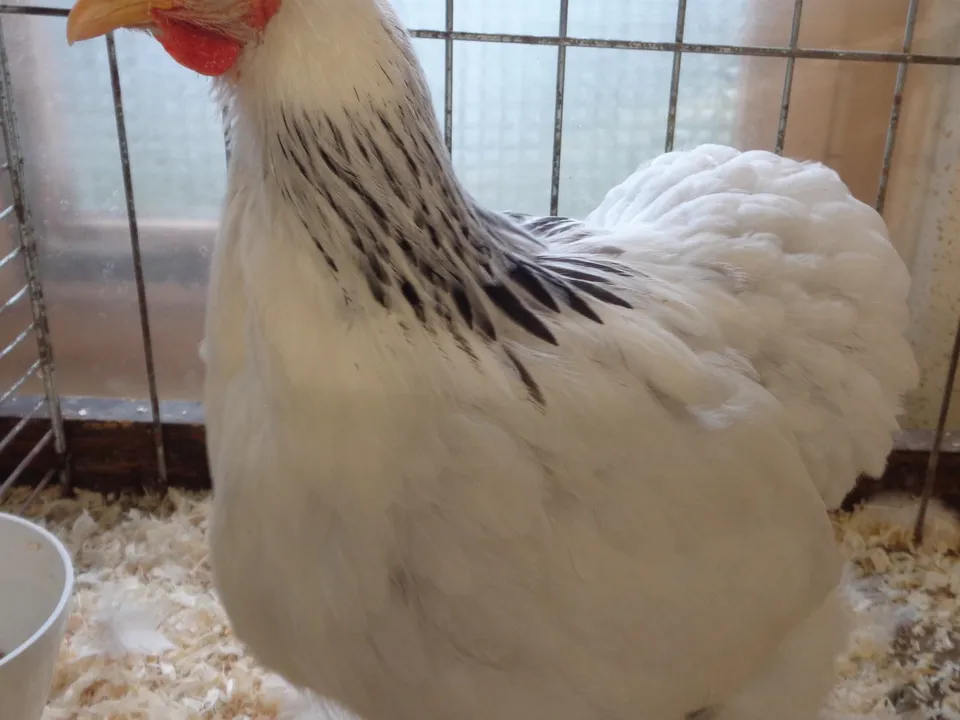
Feathers down to the toes
The feathers run all the way down the legs and over the feet. Chicks even hatch with feathered feet.
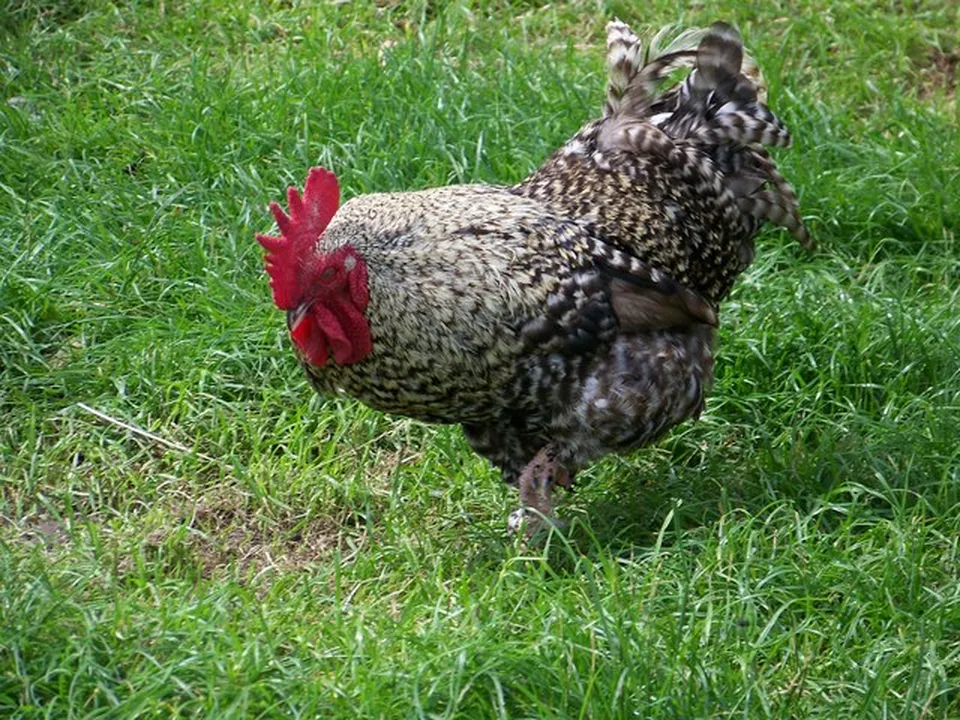
Small bird, small space
A grown Cochin bantam weighs under two pounds, so a small coop and run suit it well.
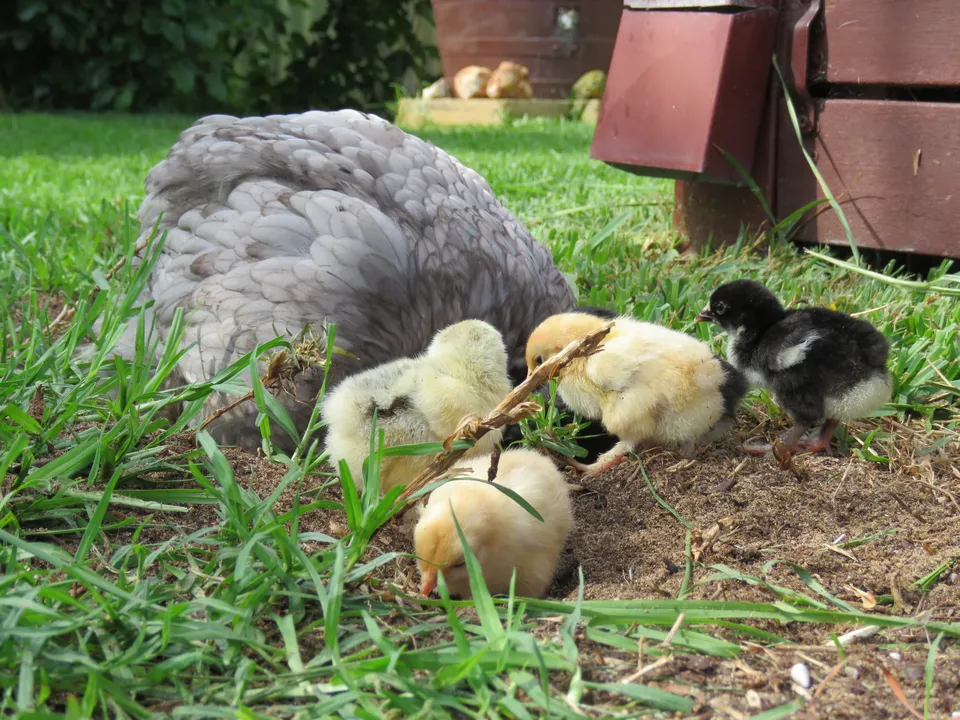
Easy to tame
Cochins are known for a gentle nature. They tame quickly and do not wander far.
Devoted mothers
A Cochin hen loves to sit on a nest and will happily hatch and raise chicks, often more than once a year.
Healthy eggs start with healthy hens
Whether an egg is headed for an incubator or a skillet, it is only as good as the bird that laid it. This is how ours live.
- Small pens, room to scratch:
- one rooster with [NUMBER] hens, a dry coop and a covered run.
- Fresh feed and clean water, every day:
- a complete breeder feed, oyster shell on the side, and shade and fans through the summer.
- Dry feet:
- feathered feet need dry ground, so runs are kept clean and bedded.
- Eggs gathered daily:
- table eggs go straight to the fridge. Hatching eggs rest cool and leave within [NUMBER] days of being laid.
First time hatching?
Our guide covers all 21 days: what to buy, what to set the incubator to, and what to do the morning the first egg starts to rock.